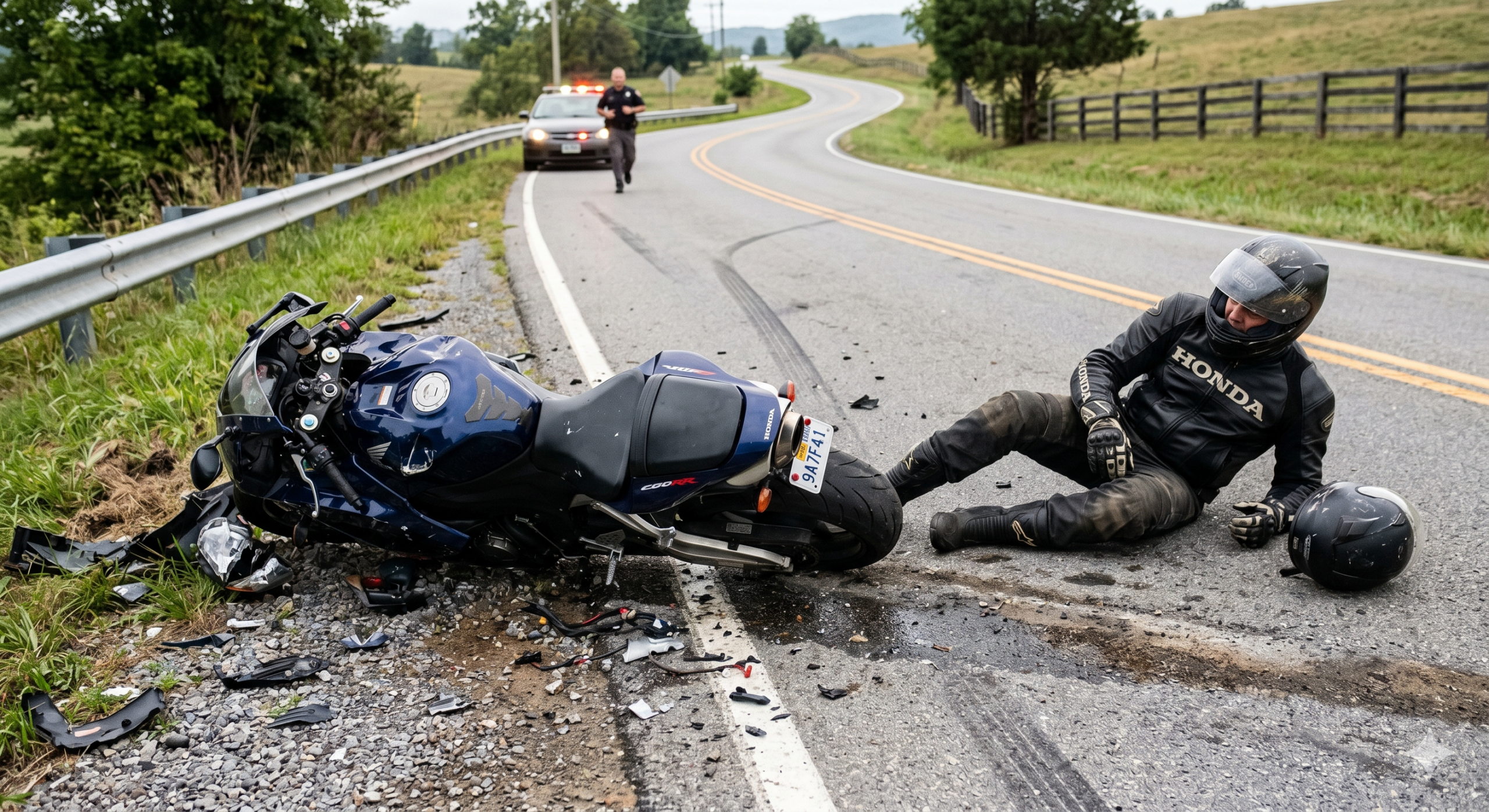
What Happens with a Car Accident in Walnut Creek, Ca.
The calls from the insurance company usually start before your car is even out of the Walnut Creek tow yard. You might still be sore from the crash on I-680 or Treat Boulevard, wondering how bad your injuries are and how you will get to work, when an adjuster asks for “a quick statement” to keep things moving. It feels like you have to cooperate or you might lose your chance for help. In those first days, you are being pulled in a dozen directions at once. John Muir Medical Center or another nearby facility may have given you a stack of discharge papers, the body shop needs authorization to start repairs, and your phone keeps lighting up with unfamiliar numbers from insurance companies. You know this collision was not your fault, but you are not sure what to say, who to trust, or how these early choices will affect any settlement.
I have tried more than 200 jury trials across California, and I see the same insurance patterns play out again and again in Walnut Creek collisions. Insurers know exactly how to protect their bottom line, and they recognize which lawyers are prepared to take a case all the way to a verdict if they are unreasonable. In this guide, I will walk you through how insurance claims really work after a Walnut Creek crash and what you can do right now to protect yourself.
Working with the Police Officer
Honest drivers can be at the mercy of a poorly written police report. We had a case in Walnut Creek, Ca where our client exited the freeway coming from Orinda to Walnut Creek. If you know that exit it has you turn right into several lanes. Another driver had taken the exit and by mistake was in the far left lane. That far left lane is a left turn only and is controlled by a solid white line saying don’t change lanes unless safe. Our client was one lane to the right of the other driver going the speed limit. Suddenly the driver in the left turn lane (who wanted to go straight) realized her mistake and shot into our client’s lane hitting the side of our car. Our client pulled off to the side and nursed a concussion. Police arrived and the at fault driver did not point out our client on the side of the road – injured. Instead she reported a “hit and run”. Other people pointed out our client on the side of the road but the police report was very unclear as to who was or was not at fault. This forced us to file a lawsuit to prove our client was right. Bottom line, whether it’s Walnut Creek or anywhere, make sure you clearly state your side of the story to the police officer. Don’t be nice – be strong and 100% accurate.
If the other side is lying make sure you disagree and tell the officer what really happened. Remember that in California, knowingly filing a false police report is a crime under Penal Code 148.5. If someone lies to the police about an accident – it is a crime and YOU are the crime victim. Again, don’t be nice – be firm, clear and 100% accurate.
IMPORTANT: If you are a witness to an accident you can send a tip to the Lafayette Police Department. Here is the Tip email address: 94549Tip@gmail.com Walnut Creek PD have a general e-mail address: PDcontactus@walnut-creek.org; Moraga Police can be contacted using police@moraga.ca.us; and Orinda PD can be reached at contactpd@cityoforinda.org.
Find Witnesses
I personally was struck on the side on highway 680S near Dublin. The other driver claimed I pulled into him (a lie). My car spun 2-3 times and I was shocked when the police arrived and told me his lie. A minute later the officer came up to me and said, “No worries, we just got a call from a witness who confirmed what you told us”. I got lucky but in many instances there is no volunteer witness. Ask people for their cell numbers and don’t be shy about it. That can be the difference between an insurance company claiming 50-50 liability (reducing your compensation) vs a complete win.)
Cameras
You or your lawyer can ask the Walnut Creek PD for footage from video cameras that the police have in place to surveil for crimes. WCPD also has a registry for homes and apartments that have video cameras. (This is a voluntary registration). You can attempt to have WCPD contact people on that list whose home cameras may have picked up footage of the accident.
If you want Body Worn Camera footage from the Walnut Creek Police ask quickly. Like most departments, WCPD will keep that footage only 60–90 days unless there are circumstances such as an arrest that warrant maintaining the footage for a longer period. In all cases a public records act request can get you the footage but the Contra Costa County District Attorney or the PD will often object to producing information arising out of an “ongoing investigation”.
If You are Injured
Kaiser patients will usually be transported by ambulance to the Walnut Creek Kaiser hospital. The ambulance has discretion to choose the facility best suited for the patient’s injuries and the most common location for an ambulance is John Muir Health’s ER in Walnut Creek. (1601 Ygnacio Valley Road) If you do wait to see your own doctor do not wait to long. You may have injuries that are more easily diagnosed close in time to the accident. If the ER wait is daunting, there are several excellent Urgent Care Centers in the area.
Camera Footage
Many cars especially a Tesla have built in cameras. Pull the jump drive after the accident so it doesn’t accidentally get erased. Also, in a neighborhood accident we can knock on doors and hopefully get RING camera footage of an accident. We had a case years ago with RING footage not of an accident but shooting off of High Street in Oakland. Even though people criticize the acuity of these cameras, we were able to see smoke on the side of a roof where a bullet hit. For a simple car accident a RING camera has more resolution than you need.
Contact Walnut Creek Police
Obviously calling 911 will get the police dispatched to the scene. If you need to reach the Walnut Creek PD for non-emergency purposes. The address is 1666 N. Main St., Walnut Creek, CA 94596. The department states that it IS accessible for in-person reports, and the main non-emergency phone number is (925) 943-5844. The Walnut Creek police online car accident webpage is here.
If you want a copy of a car accident report Walnut Creek PD have posted (925) 943-5890 as the number to call to request a report. You can also fill out an electronic record request form Here You can hand deliver the request form to Walnut Creek City Hall
1st Floor of City Hall
1666 North Main Street
Walnut Creek, CA 94596
(Only Monday – Thursday)
What Happens In The First Days After A Walnut Creek Collision
Right after a collision, most people think first about their car and their pain, not about how insurers set up a claim file. On a typical Walnut Creek crash, police may respond and prepare a report, or they may leave the parties to exchange information if no one seems seriously injured. You might be taken to John Muir Medical Center, an urgent care, or your primary doctor, then the car is towed to a local yard or body shop. Within a day or two, at most, the phone calls begin.
Your own insurer often makes the first outreach if you report the collision, which is called the first notice of loss. They create a claim number, assign an adjuster, and start a file that includes your policy, coverage limits, and whatever you tell them about how the collision happened. The other driver’s insurer usually follows close behind once their insured reports the crash, and they will quickly want your version of events, details about injuries, and any photos or witness information you have. Insurance companies negotiate liability among themselves and if your insurance company is weak they may agree to 50-50 liability. When you make a settlement demand the other person’s insurance will make a low ball offer based upon the already determined 50-50 liability. This means you should advocate strongly for yourself with your own insurance carrier because it impacts the later offers on your case from the other side.
From a legal standpoint, those early conversations matter more than most people realize. Adjusters write notes about your demeanor, how confident you are about fault, whether you downplay injuries, and whether there is any hint that you might share in the blame. Those notes live in the claim file for the life of your case, and supervisors may later rely on them when deciding how much settlement authority to give that adjuster. I have reviewed many claim files over the years, and I can tell you that a casual remark on day two can be quoted back months later when an insurer justifies a low offer.
In those first days, focus on a few key decisions. You can report basic facts to your own insurer so they can open your claim, but be cautious about recorded statements or detailed discussions of injuries before you have seen doctors and understand what is going on. Gather photos from the scene, names and numbers of witnesses, and any incident or police report numbers. Before you agree to a recorded statement for the other driver’s insurer or sign any documents, talk to a trial lawyer who understands how these details will look inside a claim file and, if needed, a courtroom.
Understanding California Fault Rules And How Insurers Use Them
Most drivers assume that if the other car clearly caused the collision, the insurer will accept full responsibility. In California, fault is rarely that simple once carriers get involved. California follows a system called pure comparative negligence, which means a jury, or an adjuster estimating what a jury would do, can assign each driver a percentage of fault. Your recovery is reduced by your percentage, even if the other driver was mostly to blame.
Consider a rear-end collision on I-680 near Walnut Creek. You are stopped in traffic, and a driver looking at their phone slams into you. Many people believe that the rear driver is always fully at fault. Insurers, however, may search for any angle to assign part of the blame to you. They might argue you stopped too suddenly, that your brake lights were not working properly, or that you were already creeping into the lane beside you. Even if those arguments are weak, they might claim you are, for example, 20 percent at fault.
Here is how that plays out in dollars. If your total damages, including medical bills, lost wages, and pain and suffering, are reasonably valued at $100,000, and an adjuster convinces a jury or uses their internal model to assign you 20 percent fault, your maximum recovery becomes $80,000. Insurers know that even lowering your fault share by 10 or 15 percent can save them significant money across many claims. This is why they are so interested in tiny details from your early statements and the police report.
In left turn crashes on streets like Ygnacio Valley Road or Treat Boulevard, comparative negligence arguments can be even more aggressive. An oncoming driver who was speeding or distracted might hit a turning vehicle, but the turning driver may still be accused of misjudging the gap. I have stood in courtrooms where juries had to divide fault in exactly these situations, and insurers frame their negotiations with that in mind. When I handle an insurance claim, I evaluate fault from the start as if a jury will one day see the evidence, which lets me anticipate and push back on the insurer’s attempts to inflate your share of blame.
How Insurers Evaluate Your Injuries And Medical Treatment
Once liability is in play, insurers turn to the second major lever they can pull, the value of your injuries. They do not just add up your bills and write a check. Instead, they study your medical records, treatment timeline, and history, looking for ways to argue your injuries are minor, preexisting, or resolved quickly. Many people in Walnut Creek are surprised at how much attention adjusters and their internal systems pay to details in medical charts.
Gaps in treatment are a favorite tool for insurers. If you wait a week or two after the collision before seeing a doctor because you hoped the pain would go away, that gap becomes a talking point. The adjuster might say that if you were really hurt, you would have gone in sooner. The same is true for missed appointments or long breaks between sessions of physical therapy or chiropractic care. On paper, it can look like your symptoms improved or that you were not motivated to get better, even if life obligations got in the way.
Insurers also pay close attention to phrases like “degenerative changes” or “preexisting condition” in imaging studies and medical notes. Many adults have some level of age related wear and tear on their spine or joints, visible on MRI or X-ray, even if they had no pain before a crash. Adjusters often seize on this, arguing that your pain is due to old problems rather than the Walnut Creek collision. From the insurer’s perspective, every inch they can move your injuries into the preexisting category is money saved.
There is another layer to this. Insurers often use internal software and guidelines to put your case into a settlement range. These programs look at diagnosis codes, procedure codes, treatment duration, and other factors. They are not perfect, and they are not the law, but many adjusters are required to work within those ranges. What goes into your records, and how your treating doctors describe your injuries and progress, can push that computer generated range up or down.
At {Sub:BusinessName}, my team includes a medical doctor and a chiropractor, and their perspectives are valuable when reading records and imaging. We work to separate ordinary background findings from trauma related changes and to coordinate with your treating providers so your records accurately reflect what you are experiencing. This is not about asking anyone to exaggerate. It is about making sure the real impact on your body and your life shows up on paper in a way that insurers, and if necessary juries, can understand.
The Most Dangerous Requests From Insurance Adjusters
On the surface, most requests from insurance adjusters sound routine and even helpful. They may say they just need some information so they can get your claim processed or want to understand what happened in your own words. Buried in those friendly calls and forms, however, are some of the most dangerous traps in the claims process. Recognizing them early can save you from serious damage to your Walnut Creek claim.
Recorded statements are one of the biggest hazards. Adjusters often call within a day or two of the collision and ask to record a conversation so they do not miss anything. During that call, they may ask questions such as whether you were watching the road the entire time, whether it is possible you were going a little fast, or whether you felt pain right away. In the moment, you might try to be honest and reasonable, even speculate about what you think happened. Months later, when your lawyer is arguing for a fair settlement, those exact words can be read back as evidence that you admitted partial fault or said you were not hurt at first.
Another common request is for you to sign broad medical authorizations. These forms often give the insurer the right to pull records from years before the collision, including unrelated conditions. They are hunting for prior complaints of back pain, neck stiffness, or any similar symptom that they can blame instead of the Walnut Creek crash. Clients are often surprised to learn that adjusters have combed through old files and then used a single line in a record from years earlier to argue down the value of the current claim.
Quick settlement offers sound tempting, especially if you are missing work or staring at hospital bills. An insurer might offer a check within days or weeks, before you have completed treatment, in exchange for signing a release. That release almost always closes your claim forever. If you later learn that you need more invasive treatment, such as injections or surgery, or that your symptoms will last far longer than expected, you cannot go back and reopen the case. I have seen people sign away their rights for a fraction of what their injuries were truly worth, simply because no one explained what the release really meant.
When I review claims for clients, I look carefully at every request from insurers. I often limit or refuse recorded statements and, if we agree to provide information, I prepare clients so their answers are complete and accurate without speculation that can be twisted later. I also narrow medical authorizations or gather the records myself, so I know exactly what is being sent and how it fits into the overall story of your injury. Before you sign or agree to anything that feels rushed or unclear, get a legal review. Those documents are written to protect the insurer, not you.
Types Of Insurance Coverage That Can Affect Your Walnut Creek Claim
Many people only think about the other driver’s insurance after a collision. In reality, several different types of coverage can come into play, and your own policy may be more important than you realize. Understanding the basics of these coverages helps you see what money might be available and how claims fit together.
Most auto policies include bodily injury liability coverage and property damage coverage. Bodily injury liability pays claims when the policyholder injures someone else, up to the limits purchased. Property damage pays for damage the policyholder causes to someone else’s car or other property. In California, some drivers carry only low limits, which can be quickly exhausted by a serious injury case. This is why it is not enough to know that the other driver has insurance. You need to know the actual dollar limits.
Your own policy may also include medical payments coverage, often called med-pay. Med-pay can help pay medical bills for you and your passengers, regardless of who was at fault, up to a set limit. In many Walnut Creek area policies, that might be a few thousand dollars, though some have higher limits. Using med-pay can relieve immediate financial pressure, but depending on the policy, your insurer might later have a right to be reimbursed out of any settlement from the at-fault driver. That is a detail we sort out by reviewing your policy language instead of guessing.
Uninsured motorist and underinsured motorist coverage become crucial when the at-fault driver has no insurance or low limits. For example, if the other driver carries a $15,000 bodily injury limit and your damages are much higher, your own underinsured motorist coverage may step in after the at-fault limits are paid. These claims have their own rules and often require clear documentation that the other driver’s coverage is exhausted before your insurer becomes responsible for more. Many people never realize that their own coverage could provide additional compensation until we review their declarations page together.
I routinely examine policy declarations and endorsements for clients after Walnut Creek collisions, looking for every available source of recovery. Sometimes there is coverage through multiple policies, such as an employer’s policy if the at-fault driver was on the job, or through your own higher uninsured or underinsured motorist limits. Sorting out how these coverages interact can be the difference between an inadequate settlement and one that more closely reflects your real losses.
What A Realistic Insurance Claim Timeline Looks Like
Insurance companies often say they will get this resolved quickly, but their idea of quick rarely matches your need to pay bills and move on with your life. Understanding a realistic timeline helps you avoid frustration and recognize when delays are normal versus strategic. While every case is different, most Walnut Creek auto claims follow a similar path.
The first phase is claim opening and initial investigation. This usually takes a few weeks. During this time, adjusters gather statements, review the police report, inspect vehicle damage, and may request basic medical records. If liability is relatively clear, they might accept responsibility for property damage early, but hold off on fully evaluating your injury claim until more information is available.
The second phase, which often stretches over several months, is the medical treatment and documentation period. You are seeing doctors, physical therapists, chiropractors, or specialists, and your condition is changing. From a claim perspective, it rarely makes sense to settle before your treating providers have a reasonable sense of your prognosis. In more serious injury cases, it can take time to reach a point called maximum medical improvement, the stage where your doctors do not expect major further change in your condition.
Once treatment stabilizes, my office typically prepares a detailed demand package. This includes medical records and bills, proof of lost income, photos, and a narrative explanation of how the collision has affected your life. Insurers then take time to review and often respond with an initial offer. Negotiations can involve several rounds of counteroffers and clarifications. This negotiation phase might take weeks or sometimes a few months, depending on the complexity of the injuries and the insurer’s internal processes.
California generally has a two year statute of limitations for many personal injury claims, measured from the date of the collision. If a government entity is involved, shorter claim deadlines can apply. If an insurer will not make a fair offer within that window, the next step is filing a lawsuit to preserve your rights. I plan from the very beginning with this deadline in mind, so we are never bargaining from a position of desperation as time runs out. Sometimes the act of filing, and showing we are prepared to present the case to a jury, changes the negotiation dynamic. Other times, it means we proceed toward trial with a clear understanding of the insurer’s position.
How Having A Trial Lawyer Changes Insurance Negotiations
Insurance carriers track lawyers. They know from experience which attorneys negotiate until the last possible day, then settle cheaply because they are not comfortable in a courtroom, and which ones will put a case in front of a jury if that is what it takes. This history matters when an adjuster and their supervisors decide how much to offer on your Walnut Creek collision claim.
When an insurer sees my name on a claim, they are dealing with someone who has handled more than 200 jury trials and has been recognized among the Top 100 Trial Lawyers. That does not guarantee a particular outcome, but it
From my side, I build every significant claim as if a jury might eventually review it. That means I work to preserve evidence early, such as photos, vehicle data, and witness statements, instead of assuming those details will always be available later. It means I look at your medical records not just as a stack of bills, but as the foundation for explaining, in human terms, what this collision did to your daily life, career, and family.
When I evaluate settlement offers, I am not guessing. Years of watching jurors in California courts weigh similar injuries and fact patterns guide my sense of what is reasonable, what is risky, and when it makes sense to push harder or to resolve the case. If an insurer is undervaluing your claim based on cookie cutter software, we can point to specific facts, medical opinions, and liability strengths that a jury is likely to find compelling.
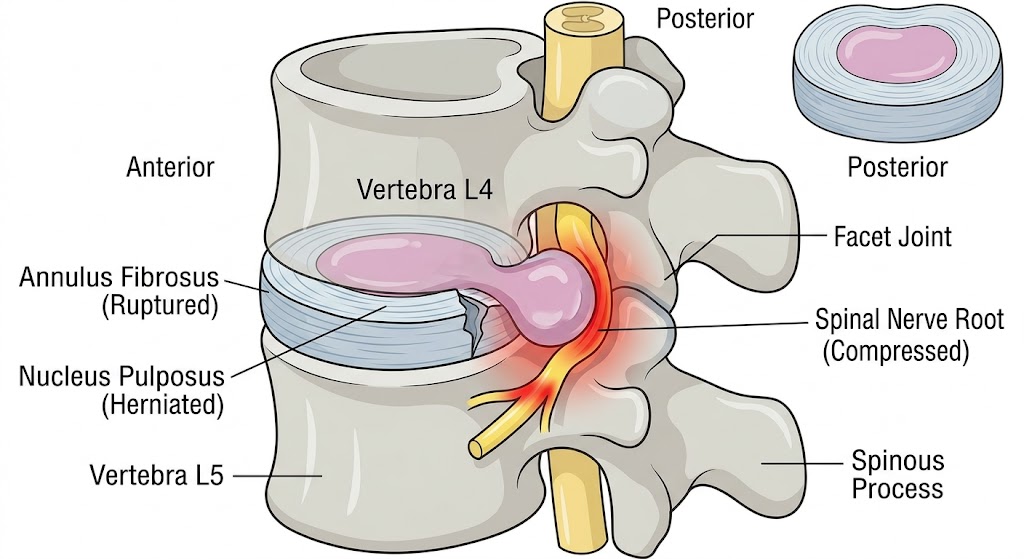
Typical injuries can include whiplash or concussion.
This trial focused approach often changes negotiations long before a lawsuit is filed. Adjusters recognize when a claim has been documented thoroughly and framed for possible trial, and they understand that vague threats to see you in court are different from a real plan to try a case. That difference can move their offers closer to the true value of your injuries.
Steps You Can Take Today To Protect Your Walnut Creek Insurance Claim
Even if the collision is fresh and you feel overwhelmed, there are concrete steps you can take today to strengthen your claim. These actions give you more control and make it easier for any lawyer you choose to step in and help. Small decisions now can prevent big problems later.
Start by collecting and organizing information. Save photos of the scene, your vehicle, and your injuries. Write down the names and contact information of witnesses while you still remember them. Obtain the incident or police report number from Walnut Creek police or the California Highway Patrol if they responded. Keep all medical paperwork, prescriptions, and billing statements together in a folder or digital file.
Set boundaries with insurers. You can confirm basic facts, such as your name, contact information, and the date and location of the collision, but you are not required to give a recorded statement to the other driver’s insurer. You do not have to sign broad medical authorizations without understanding what they cover. A simple, firm response such as, “I am still getting medical care and will have my attorney contact you,” is often enough to pause aggressive questioning.
Finally, consider having your situation reviewed by a trial lawyer sooner rather than later. A brief conversation can clarify what coverage might be available, whether the insurer’s requests are reasonable, and what timeline you should expect. At {Sub:BusinessName}, I do not treat people as claim numbers. I look at the specific facts of your collision, your injuries, and your life. If your case is not a good match for my firm, I will still try to point you in the right direction so you are not left guessing.
For more general information about car accidents in Walnut Creek see our Blog
Talk With A Trial Lawyer Before You Make A Costly Claim Decision
Insurance claims after a Walnut Creek collision are not just paperwork. They are a series of strategic choices about fault, medical care, documentation, and timing, and insurers are playing by rules they know far better than most injured drivers. Once you give a recorded statement, sign a release, or let a deadline pass, it is very hard, and sometimes impossible, to undo the damage.
You do not have to navigate this alone or hope that an adjuster will put your needs ahead of their company’s financial goals. If you have been in a collision in or around Walnut Creek, I invite you to contact me so we can walk through your claim, your coverage, and your options before you make any final decisions. A focused conversation now can protect your rights and give you a clear plan for the road ahead.
If you are in Walnut Creek, California and have been in a car accident, our offices are truly local (Lafayette). We can meet you face to face, respond personally to your needs and get you the full and fair value that you case deserves. Call us at (925) 283-1863. All personal injury consultations are free and there are no legal fees until you recovery.